
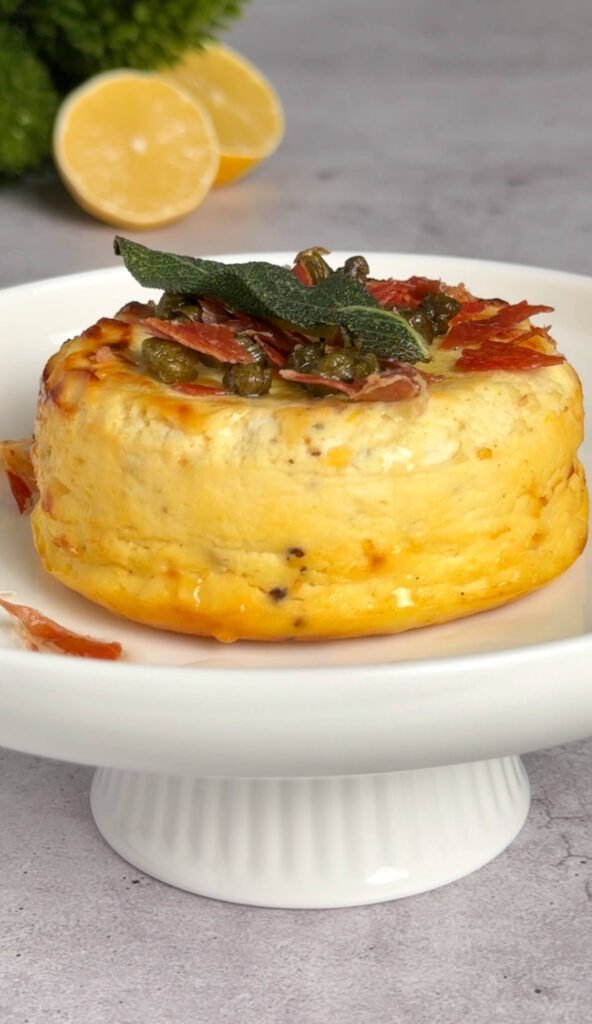
Creamy baked ricotta appetizer, lightly whipped and set just enough to unmold cleanly, finished with crispy prosciutto shards, fried sage, and briny capers. Elegant, warm, and perfect with crusty bread or crostini.
If you’ve been here for a while, you already know how much I love recipes that feel quietly luxurious without being complicated or showy. The kind of dish that doesn’t scream for attention, but once it hits the table, everyone leans in a little closer. This baked ricotta with crispy prosciutto, capers, and sage is exactly that kind of appetizer. It’s warm, creamy, savory, and just refined enough to feel special – perfect for date night, a small gathering, or one of those evenings when you want to cook something beautiful without committing to a full spread.
This is also the kind of recipe that makes people think you worked much harder than you actually did. And honestly, those are my favorite ones.
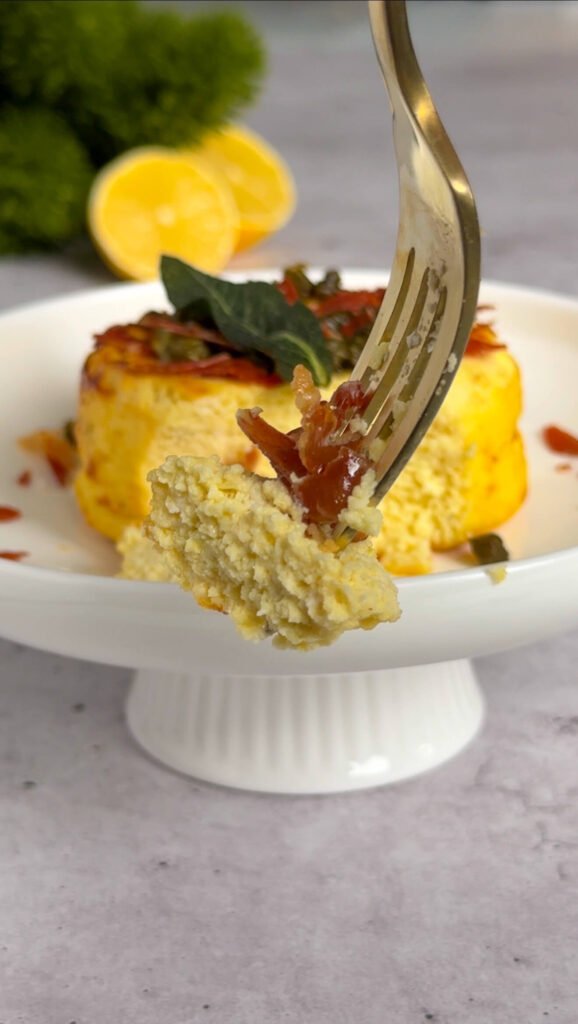
At its core, this is a baked ricotta appetizer – simple ingredients, treated with care. The ricotta is lightly whipped with egg and lemon zest, baked until just set, then unmolded so it looks clean and elegant on the plate. On top, you get shards of crispy prosciutto, fried sage leaves, and briny capers that pop as you bite into them. Everything plays together: creamy, salty, crispy, herbal. Nothing feels heavy, and nothing feels unnecessary.
I’ve served this exact dish in so many different settings – quiet nights at home, small dinner parties, impromptu wine-and-snack evenings – and it always disappears faster than expected. People tear off pieces of bread, scoop up warm ricotta, and suddenly the conversation pauses. That’s when you know a recipe is a keeper!
Why Baked Ricotta Deserves a Place On Your Appetizer Table
Baked ricotta is one of those dishes that still feels a little underappreciated, especially compared to baked brie or whipped feta dips. But it deserves just as much love. When ricotta is baked gently, especially whole-milk ricotta, it transforms. The texture becomes custardy and sliceable, yet still soft enough to scoop. It’s rich without being overwhelming, and it pairs beautifully with both delicate toppings and bold, salty accents.
For entertaining, baked ricotta has so many advantages. You can make it ahead, it reheats beautifully, and it looks elegant unmolded on a plate without requiring any fancy tools or advanced techniques. It’s naturally gluten-free, easy to scale up for a larger group, and endlessly adaptable depending on what you have on hand.
This particular version leans into classic Italian-inspired flavors – lemon zest, olive oil, prosciutto, sage, capers – but in a very restrained way. Nothing competes with the ricotta itself. Instead, each topping is there to highlight a different aspect of it: the richness, the creaminess, the subtle tang.
If you’re searching for a baked ricotta appetizer that feels elevated but still approachable, this is the one.
The Texture is Everything Here!
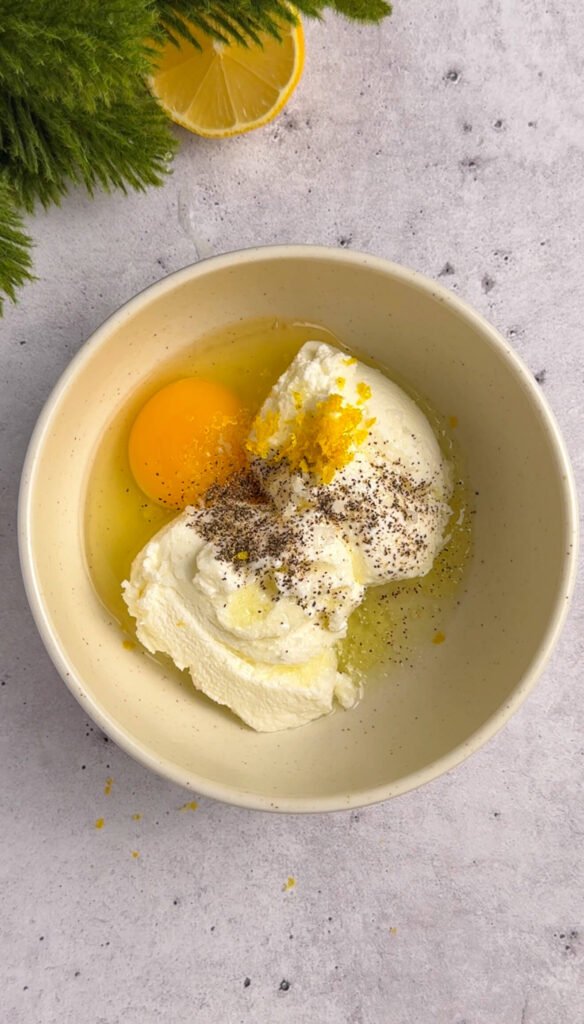
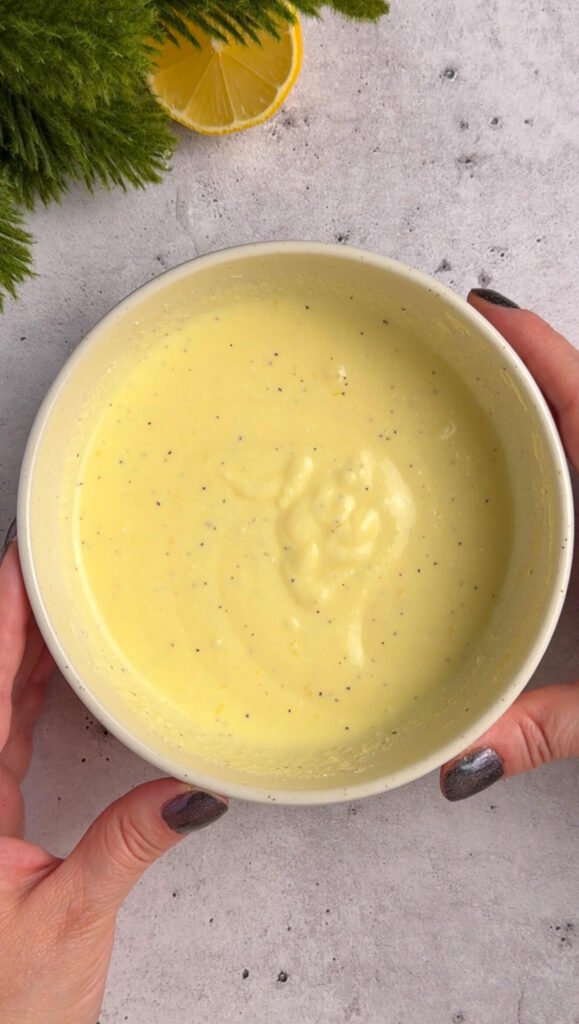
One of the most important things about this recipe is getting the texture right. This is not a ricotta dip and it’s not meant to be fluffy like whipped ricotta spread. The goal is something in between – a baked ricotta that sets enough to unmold cleanly, but still melts slightly when you cut into it.
That’s where the egg comes in. Adding one egg to the ricotta gives it structure without making it dense or eggy. The key is to mix just until smooth and lightly whipped. Overmixing can introduce too much air, which changes the final texture and can cause the ricotta to puff and collapse as it cools. A gentle hand here really matters.
Letting the ricotta rest after baking is just as important as the bake itself. That short resting period allows the structure to settle, which makes unmolding easier and ensures clean edges. If you’ve ever tried to cut into something too soon and watched it slump, you know exactly why this step matters.
Lemon Zest: Subtle, But Essential
You’ll notice that this recipe calls for lemon zest, not lemon juice. That’s very intentional. The zest adds brightness and aroma without introducing extra moisture or acidity that could affect how the ricotta sets. It lifts the entire dish and keeps it from tasting flat, especially when paired with rich toppings like prosciutto and olive oil.
I keep the amount restrained – just enough to notice, not enough to dominate. You want people to wonder why it tastes so balanced, not immediately identify lemon as a main flavor.
Prosciutto: Crisped Gently, Not Rushed
Crispy prosciutto might seem straightforward, but there’s a right way to do it if you want clean shards instead of greasy curls. Cooking it slowly over low heat allows the fat to render out gradually, leaving you with a crisp, delicate texture that snaps when broken. Rushing this step over high heat can cause the prosciutto to burn before it fully crisps, and the flavor becomes bitter instead of savory.
Once cooled, the prosciutto becomes even crisper, which is exactly what you want for topping baked ricotta. Those shards add contrast and visual interest, and they make every bite feel intentional.
If you’re serving this to guests, breaking the prosciutto into larger pieces rather than crumbling it finely keeps the presentation clean and avoids making the dish feel busy.
Fried Sage and Capers: Small Details That Make a Big Difference
This is where the appetizer really becomes memorable. Fried sage leaves are one of those things that feel restaurant-level, but take seconds to make. When briefly fried in olive oil, sage loses its raw edge and becomes crisp, aromatic, and almost buttery in flavor.
Capers, when fried, are transformative. They open up slightly, turn crisp at the edges, and lose some of their harsh brine while keeping that salty punch. Together, fried sage and capers add texture and depth that a simple drizzle of oil alone couldn’t achieve.
Using the same oil for both keeps things efficient and allows the flavors to layer naturally. Just make sure your capers are very well dried before they hit the oil – any excess moisture will cause splattering and prevent them from crisping properly.
Unmolding Without Stress
I get asked all the time how to remove baked appetizers cleanly from a mold without ruining the presentation. The answer is parchment and patience.
Lining your mold with parchment paper, including the sides, creates a clean release every time. Lightly oiling the parchment ensures nothing sticks, and letting the ricotta rest after baking gives it enough structure to hold its shape.
When it’s time to unmold, a thin knife around the edge can help if needed, but often it’s not even necessary. Invert onto a plate, lift the mold, peel back the parchment slowly, and you’re done. No drama, no cracks, no frustration.
If you prefer a more casual presentation or want to keep things ultra simple, you can absolutely serve this directly in the ramekin. But for date night or entertaining, unmolding elevates the entire experience.
If you love elegant ricotta-based appetizers like this one, you might also enjoy:
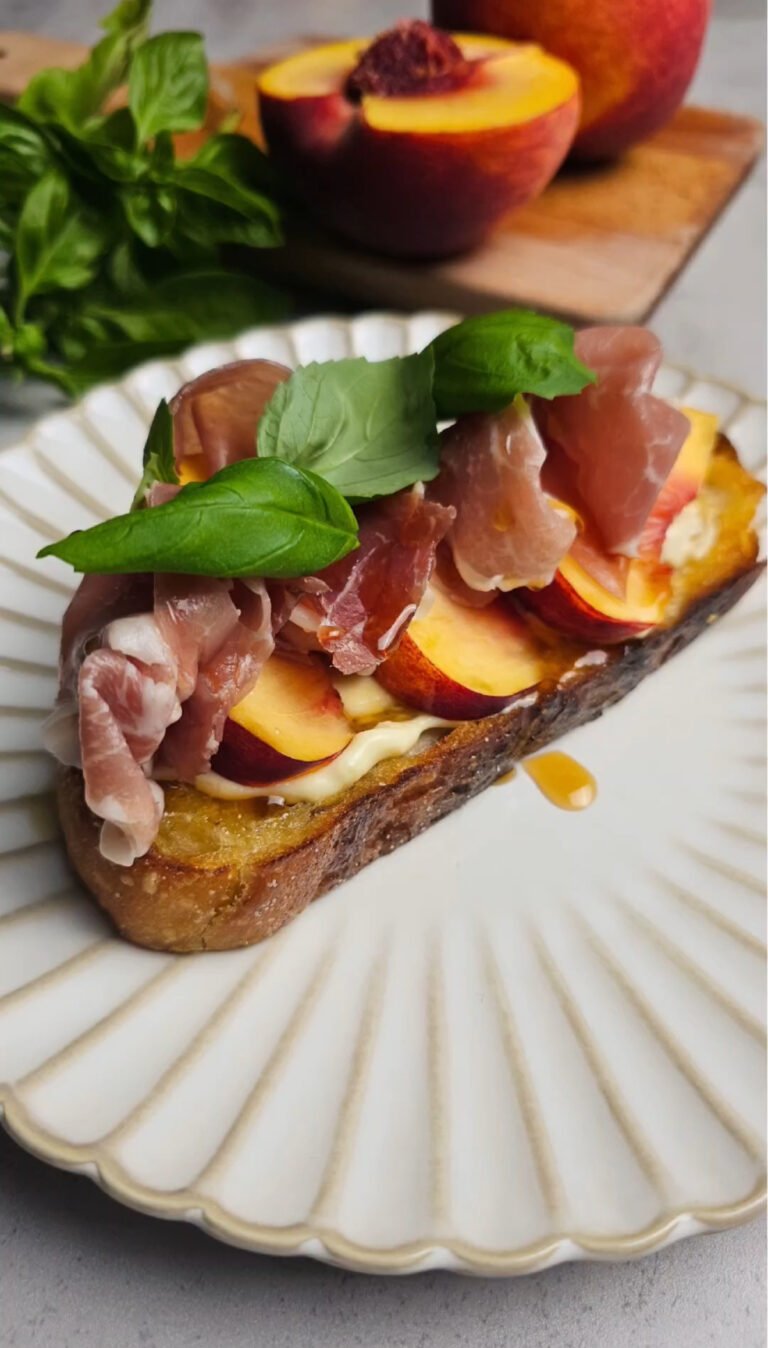
Peach Bruschetta with Ricotta & Honey
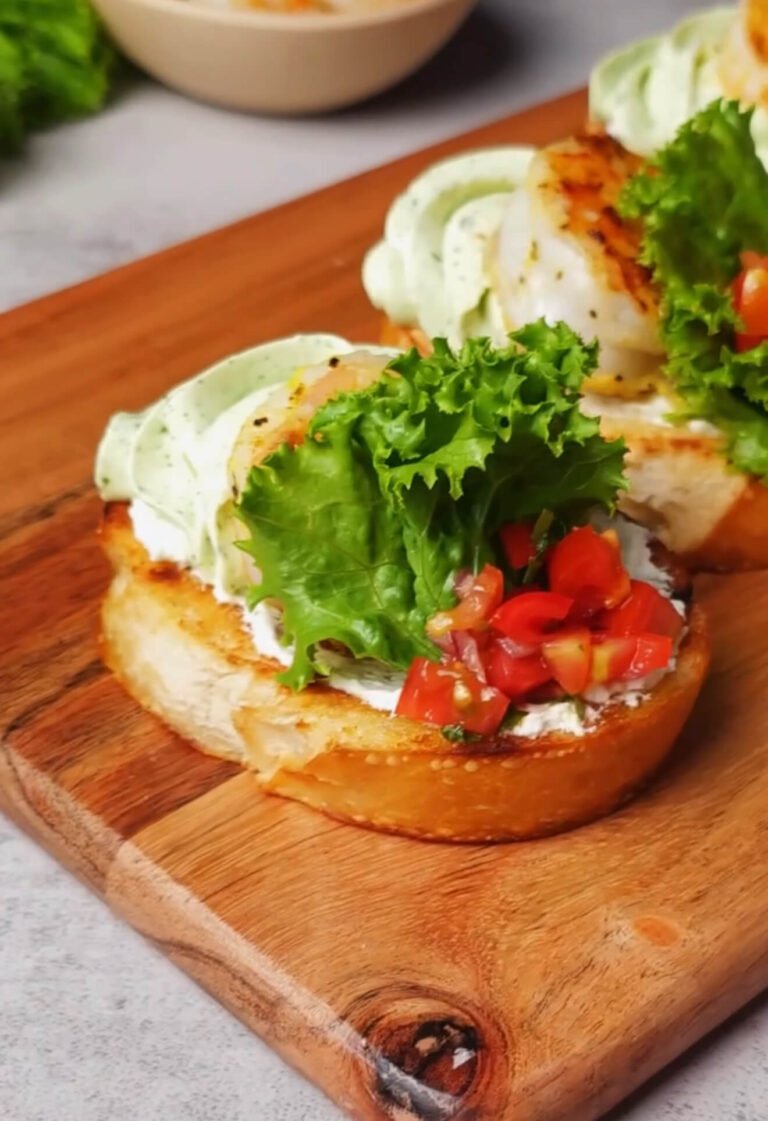
Baked Cream Cheese with Roasted Tomatoes & Zesty Olive Topping
What to Serve With Baked Ricotta
This baked ricotta appetizer pairs beautifully with rustic bread – sourdough, grilled bread, crostini, or even seeded crackers if that’s what you have. The bread isn’t just a side here; it’s part of the experience. You want something sturdy enough to scoop, but not so hard that it overpowers the ricotta.
Warm bread is especially nice, but not essential. Even room-temperature crostini work well, especially if the ricotta is still slightly warm.
I like to serve this as the only appetizer for a small gathering. It sets the tone without filling everyone up, and it transitions seamlessly into a main course. For date night, it’s perfect with a glass of wine and no rush.
Make-Ahead And Entertaining Tips
One of the reasons I love this recipe so much is how well it fits into real life. You can bake the ricotta a few hours in advance, let it cool, and gently reheat it before serving. This makes entertaining so much more relaxed, especially if you’re cooking multiple dishes.
The prosciutto can be crisped ahead and kept at room temperature, and the capers and sage can be fried just before serving in under two minutes. Assembly is quick and stress-free, which is exactly how entertaining should feel.
This is also a great recipe to scale up. For a slightly larger group, you can bake two ricotta molds and serve them side by side on a platter, letting guests help themselves.
Variations That Still Respect The Dish
While this version is very much my go-to, there’s room to adapt it without losing what makes it special. A pinch of red pepper flakes in the oil adds gentle heat. Skipping the prosciutto and increasing the capers and sage keeps it vegetarian while still flavorful. A few drops of truffle oil after unmolding add an indulgent finish if you’re feeling extra.
What I don’t recommend is overloading it with too many toppings. This dish shines because it’s restrained. Every element has a purpose, and that balance is what makes it feel elegant rather than cluttered.
Why This Appetizer Works So Well For Date Night
There’s something about warm, creamy dishes shared with bread that feels inherently intimate. This baked ricotta is meant to be scooped, shared, and enjoyed slowly. It invites conversation, encourages lingering, and doesn’t demand constant attention once it’s on the table.
It’s also forgiving. You don’t need perfect timing or restaurant-level precision to make it shine. As long as you respect the texture and season it well, it delivers every time.
If you’re looking for a date night appetizer that feels thoughtful and homemade without being fussy, this one checks all the boxes.
If you’re building a collection of elegant appetizers that feel effortless yet intentional, this baked ricotta deserves a permanent spot. It’s simple, refined, and endlessly satisfying – and once you make it once, I promise it won’t be the last time!
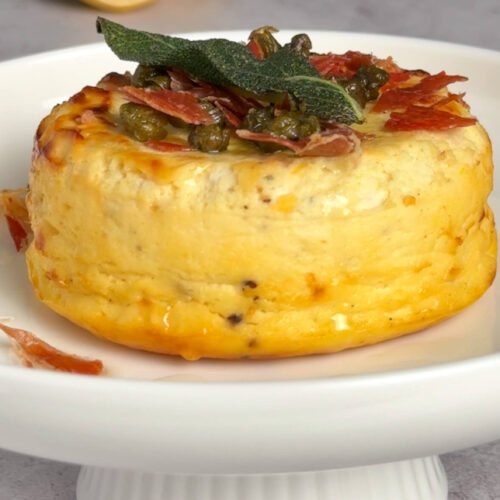
Baked Ricotta with Crispy Prosciutto, Capers & Sage
Ingredients
Baked Ricotta
- 9 oz 250 g whole-milk ricotta cheese
- 1 large egg
- ½ tsp finely grated lemon zest
- 1 tsp olive oil
- Salt and freshly ground black pepper
- 1 tbsp olive oil for the mold
Crispy Prosciutto
- 1 thin slice of prosciutto
Sage & Capers
- 1 tbsp olive oil
- 1 –2 fresh sage leaves
- 1 tbsp capers drained and patted dry
To Serve
- Rustic sourdough grilled bread, or crostini
Instructions
Prepare the mold
- Preheat the oven to 400°F (200°C). Line a straight-sided ramekin, small cocotte, or ring mold (about 3 inches wide) with parchment paper, making sure it lines the sides and extends slightly above the rim. Lightly oil the parchment and base with olive oil. If serving directly in the ramekin, skip the parchment and simply oil the ramekin.
Make the ricotta mixture
- In a bowl, combine the ricotta, egg, lemon zest, 1 tsp olive oil, salt, and black pepper. Mix until smooth and lightly whipped, being careful not to overmix. Spoon into the prepared mold and smooth the top.
Bake
- Place the mold on a baking sheet and bake for 40–45 minutes, until the ricotta is set, lightly golden at the edges, and just firm in the center. Remove from the oven and let rest for 10–15 minutes.
Crisp the prosciutto
- While the ricotta bakes, place a frying pan over low heat and add the prosciutto slice. Cook gently until crisp and most of the fat has rendered. Let cool completely, then break into large shards.
Fry the sage and capers
- Heat the olive oil in a small skillet over medium heat. Fry the sage leaves until crisp, about 10–20 seconds, then transfer to a paper towel. In the same oil, add the capers and fry until crisp and slightly opened, about 1 minute. Remove from heat.
Unmold
- Run a thin knife around the edge if needed. Invert the ricotta onto a serving plate, lift off the mold, and gently peel away the parchment.
Finish and serve
- Drizzle with extra virgin olive oil. Spoon the warm crispy capers over the top and finish with sage leaves and prosciutto shards. Serve warm with bread or crostini.
Notes
- The ricotta can be baked a few hours in advance and gently reheated at 275°F (135°C) before unmolding.
- Prosciutto can be crisped ahead and stored at room temperature.
- Assemble just before serving for best texture.
- Add a pinch of red pepper flakes to the oil for heat, skip prosciutto for a vegetarian version with extra capers and sage, or finish with a few drops of truffle oil for an extra-luxe touch.