
Fresh figs marinated in balsamic and honey, piled onto crisp baguette toasts with whipped goat cheese, for an appetizer that looks fussed over but comes together in minutes.
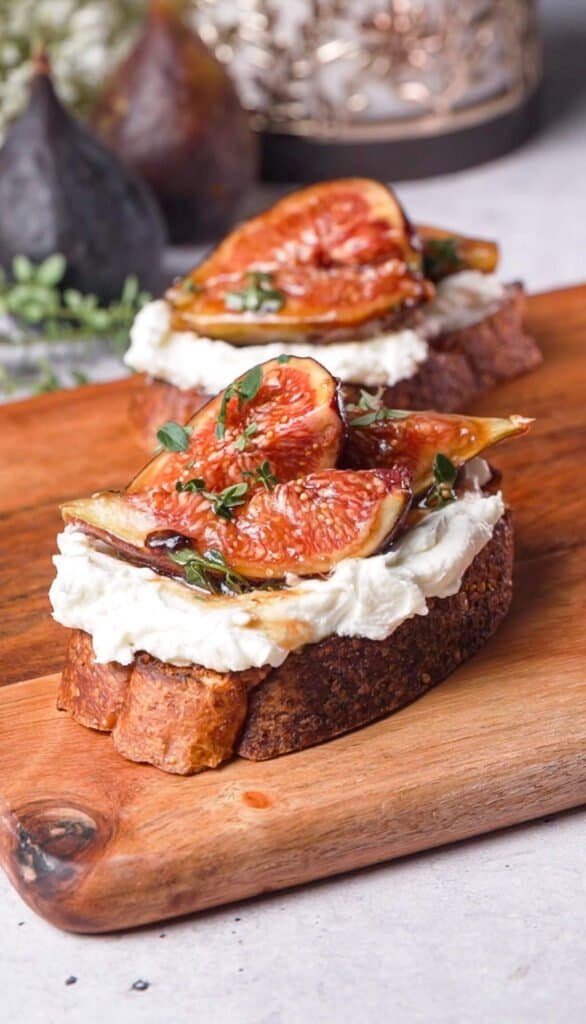
Every summer, once the fig at my market start showing up faster than anyone can sell it, I start planning what I’m calling my “figs are back” spread, and this fig and goat cheese crostini is always the centerpiece. I first made a version of it years ago in a friend’s kitchen, where the figs were still warm from the sun and the cheese was so fresh it barely held its shape on the knife. What I do differently now, and what actually changes the dish, is one small extra step: I marinate the quartered figs in balsamic, honey, and thyme before they go anywhere near the bread. Twenty minutes is all it takes for ordinary figs to turn glossy and faintly jammy, with a tang that cuts straight through the richness of whipped goat cheese.
This is the kind of appetizer I reach for when people are coming over and I want something that looks like I fussed over it, even though I really didn’t. It’s a handful of ingredients, a short pause while the figs do their thing in the fridge, and then five minutes of assembly right before guests walk in. If you’ve made the classic goat cheese and fig combination before and thought it was fine but forgettable, the marinating step is what moves it from “fine” into the appetizer people ask you about.
Why You’ll Love This Recipe
- The marinating step takes maybe two extra minutes of active work and completely changes the flavor, turning plain balsamic vinegar into a glossy, honeyed glaze that clings to the fig instead of running off.
- Whipped goat cheese spreads like a dream and photographs beautifully, no cracked or crumbly edges the way plain chèvre can look on toast.
- It comes together almost entirely ahead of time, which means you’re not stuck in the kitchen when people arrive.
- It hits sweet, tangy, creamy, and a little spicy all in one bite, which is exactly the kind of contrast that keeps people reaching for a second one.
Ingredient Notes
A few things here are worth explaining, because with a recipe this simple, every ingredient is doing real work and there’s nowhere for a mediocre one to hide.
Figs. Use fresh figs, not dried. Black Mission or Brown Turkey both work well; look for figs that give slightly under gentle pressure but aren’t mushy or split. If you truly cannot find good fresh figs, dried figs rehydrated briefly in warm water can stand in, though the texture will be softer and less juicy.
Balsamic vinegar. Don’t reach for the cheapest bottle on the shelf here. A mid-range balsamic, something with a little natural sweetness and body, will reduce into a nicer glaze than a thin, sharp one. You don’t need an aged 18-year bottle, but skip the bargain aisle for this particular recipe.
The bread. This is the ingredient people most often skimp on, and it’s the one that matters most. A real French baguette with a crackly crust and some chew inside holds up to the toppings without going soft. Pre-sliced, packaged “baguette” from the bread aisle tends to be soft and a little sweet, and it will disappoint you here. Go to the bakery counter.
Goat cheese. Room temperature goat cheese whips into something genuinely fluffy with a splash of heavy cream. If you skip the whipping step and just use plain chèvre, that’s fine too, it’ll just have more rustic texture and won’t spread quite as easily.
Red pepper flakes. A small, unexpected addition, but it keeps this from tasting purely sweet. If you’re serving a crowd that doesn’t love heat, cut it to a quarter teaspoon or leave it out and let the black pepper on top (optional finishing touch) do lighter work instead.
Step-by-Step Instructions
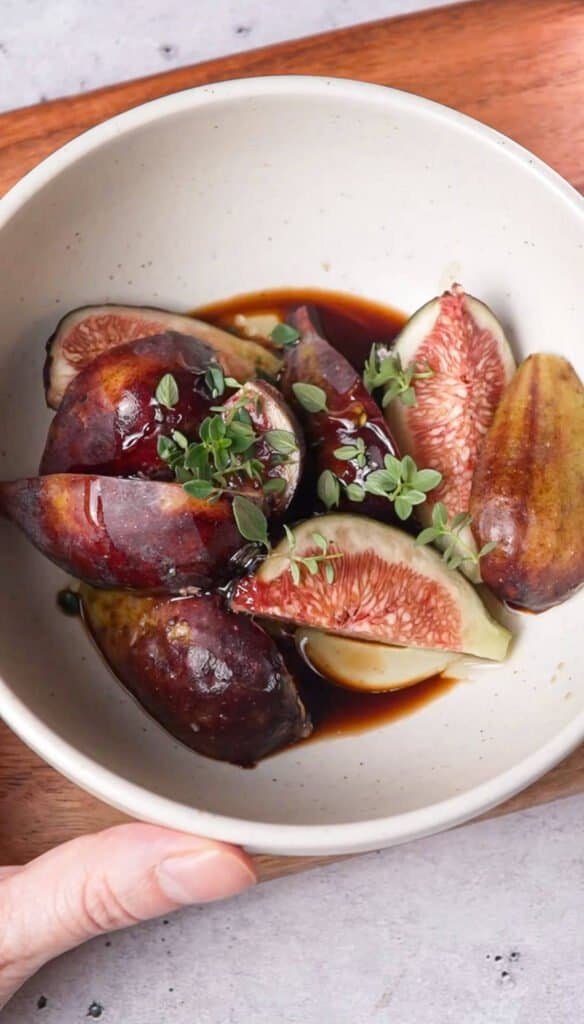
Start with the figs, since they need the most lead time. Whisk the balsamic vinegar, honey, and olive oil together in a shallow bowl until the honey fully dissolves into the vinegar, you’ll feel the mixture go from watery to slightly viscous as you whisk. Add your quartered figs and the thyme sprigs, and toss gently with a spoon or your hands, figs bruise easily so treat them kindly here. Let the bowl sit at room temperature for at least 20 minutes, giving it a gentle turn halfway through so every piece gets its time in the marinade. You’ll know it’s ready when the liquid has thickened slightly and turned a deep, glossy amber, almost like a loose syrup clinging to the fruit.
While the figs marinate, get your baguette going. Preheat the oven to 400°F and lay your slices out on a baking sheet in a single layer, no overlapping. Brush each one lightly with olive oil, just enough to see a light sheen, not so much that it pools. Bake for 8 to 10 minutes, and start checking around the seven-minute mark since oven hot spots vary. You’re looking for edges that have turned a proper golden brown and a slight crispness when you tap one with your finger. Let them cool for a few minutes on the sheet before handling, they’ll firm up slightly as they cool.
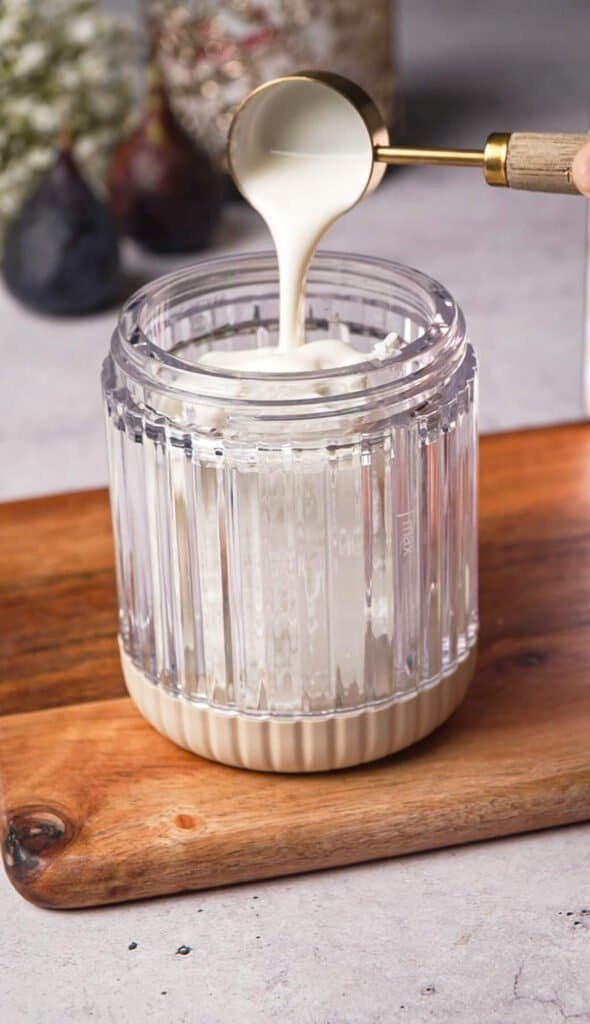
For the whipped goat cheese, add the room-temperature goat cheese, heavy cream, and red pepper flakes to a food processor or a bowl if you’re using a hand mixer. Blend for about a minute, scraping down the sides once, until the mixture goes from a dense block to something closer to whipped cream cheese frosting, light, airy, and easy to spread without tearing the toast. Taste it. If it needs a little salt, a small pinch will round it out, but goat cheese is often salty enough on its own.
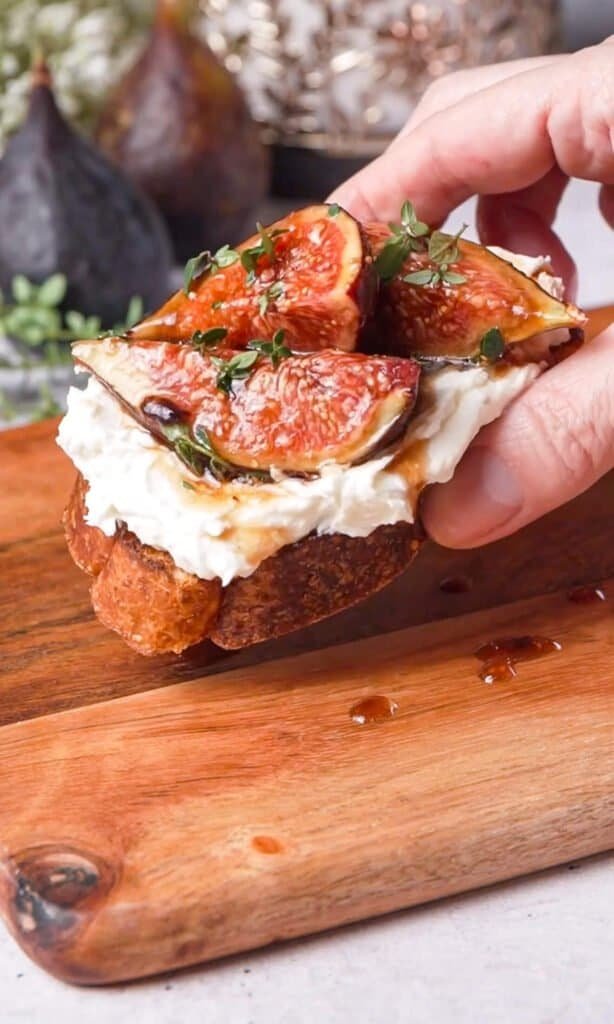
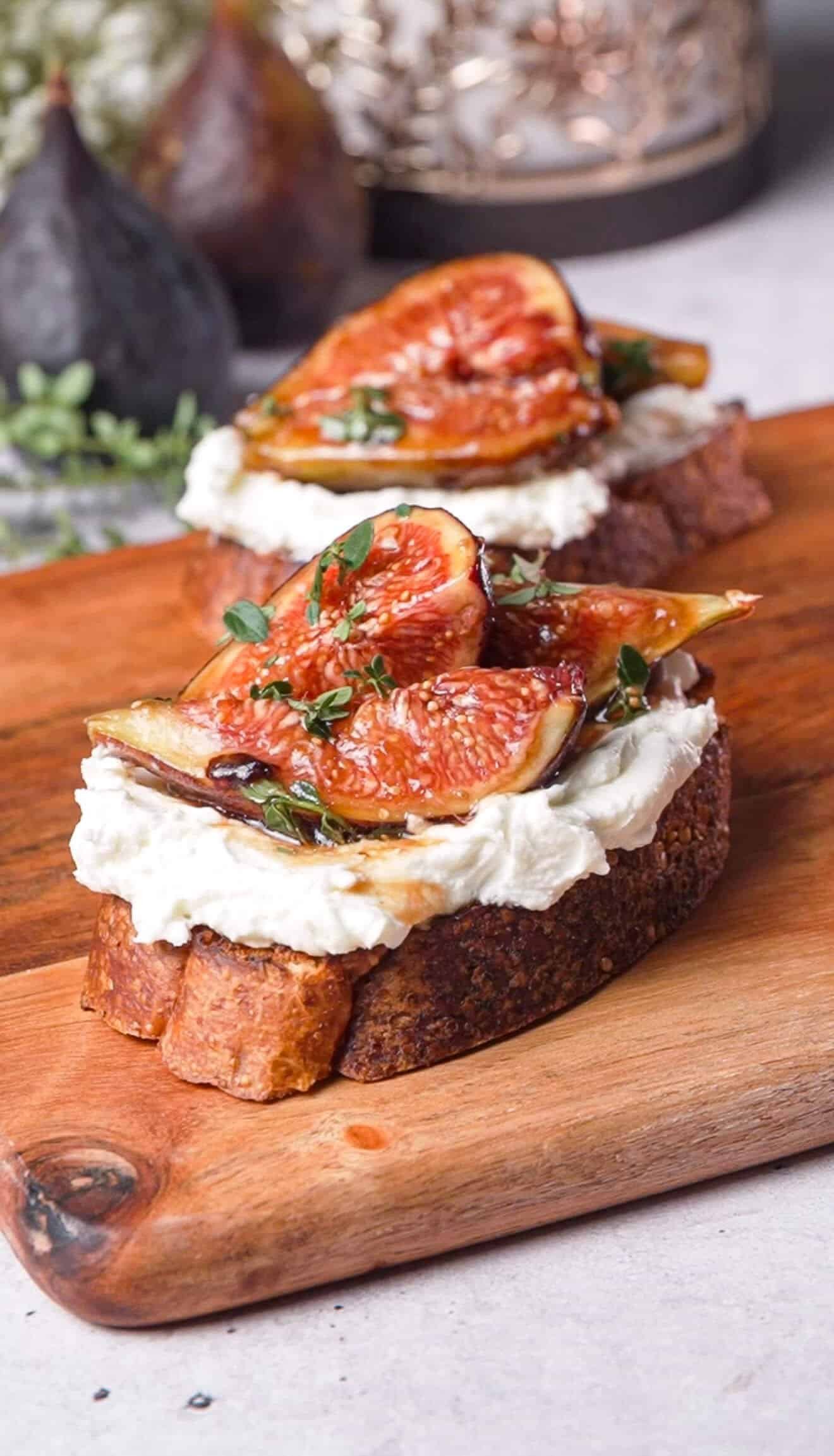
Now assemble, and do this part close to serving time. Spread a generous layer of whipped goat cheese across each toasted baguette slice, going almost to the edges. Top each one with a quartered marinated fig, cut side up so the color shows. Finish with a small spoonful of the marinade glaze drizzled over the top, this is where all that balsamic and honey flavor lands right where you want it. If you have extra thyme leaves from the marinade, a few scattered on top look pretty and add a little herbal note with each bite.
Tips For Success
Buy your bread the same day you plan to toast it, or the day before at the latest. A baguette that’s already a couple of days old will toast unevenly and taste stale underneath the crisp exterior, no amount of good goat cheese fixes that.
Don’t assemble until close to serving. Crostini with any wet topping will start to soften within 30 to 45 minutes, and figs release enough juice that a fully assembled platter left out for an hour will look sad by the time people actually eat it.
If your figs are especially juicy and the marinade looks thin rather than glossy after 20 minutes, pour just the liquid into a small saucepan and simmer it for two to three minutes. It reduces fast, and a slightly concentrated glaze is more forgiving to work with than a watery one.
Variations And Substitutions
Plain chèvre works in place of whipped goat cheese if you’re short on time or don’t have a food processor handy, it’ll just be a little more rustic and less pillowy in texture.
For a version with more crunch and saltiness, add a few torn pieces of prosciutto or a scatter of toasted pistachios on top.
If figs aren’t in season where you are, ripe pears sliced thin and marinated the same way make a good stand-in, just reduce the marinating time to about 10 minutes since pears absorb flavor faster.
A drizzle of hot honey instead of the balsamic glaze is also lovely if you want more heat and less tang.
Storage And Make-Ahead
The marinated figs keep well in the refrigerator for up to a day, covered, and the flavor actually deepens a bit overnight.
The whipped goat cheese can also be made a day ahead and stored in an airtight container in the fridge, just let it sit at room temperature for 15 minutes before spreading so it’s soft enough to work with.
Toast the baguette and assemble the crostini as close to serving as you can manage, ideally within the hour. Leftover assembled crostini don’t hold up well and are best eaten the same day.
FAQ
Can I make this ahead of time for a party? Yes, in parts. Marinate the figs and whip the goat cheese up to a day ahead and store them separately in the fridge. Toast the bread up to a few hours ahead if needed, but wait to assemble until shortly before your guests arrive so the crostini stay crisp.
What can I use instead of fresh figs? Ripe pears or even halved grapes work in a pinch, marinated the same way for a shorter time. Dried figs rehydrated in warm water for 10 minutes are another option, though the texture will be softer.
My goat cheese won’t get fluffy, what am I doing wrong? Cold goat cheese straight from the fridge resists whipping and can look grainy no matter how long you blend it. Let it sit out for a solid 30 to 45 minutes until it’s genuinely room temperature before you start.
Is this recipe good for a crowd, or should I scale it up? This exact recipe makes about 12 crostini, which is a solid appetizer portion for six people alongside other snacks. For a larger gathering, it scales up cleanly, just marinate the figs in batches if your bowl gets crowded, since overcrowding leads to uneven coating.
Pairing Suggestions
This crostini sits comfortably next to other simple, elegant bites on a spread.
I like pairing it with my honey whipped goat cheese fig bites for a fig-forward table, or setting it alongside the crostini with whipped ricotta and prosciutto if you want a savory counterpoint with a little more salt.
For a different season and a different shape entirely, my Peach, Honey & Goat Cheese Appetizer Stack uses the same tangy goat cheese base built into a sliceable, make-ahead stack.
A dry rosé or a light, slightly chilled red like Beaujolais both stand up well to the sweetness of the figs without fighting it.
This post contains affiliate links. If you purchase through them, I may earn a small commission at no extra cost to you.

Marinated Fig and Goat Cheese Crostini
Ingredients
Equipment
Method
- Whisk together balsamic vinegar, honey, and olive oil in a shallow bowl.
- Add quartered figs and thyme sprigs; toss gently to coat.
- Let marinate at room temperature for at least 20 minutes, turning once halfway through.
- Preheat oven to 400°F.
- Arrange baguette slices on a baking sheet and brush lightly with olive oil.
- Bake for 8 to 10 minutes, until golden and crisp at the edges. Cool slightly.
- Combine goat cheese, heavy cream, and red pepper flakes in a food processor or bowl.
- Blend for about 1 minute, until smooth and fluffy. Taste and add a pinch of salt if needed.
- Spread a generous layer of whipped goat cheese on each toasted baguette slice.
- Top with a quartered marinated fig.
- Spoon a little of the marinade glaze over each crostini before serving.
Notes
- Goat cheese: plain chèvre works too, same flavor, more rustic texture. Whipped spreads more elegantly and photographs better.
- Make ahead: marinate figs and whip goat cheese up to a day ahead. Toast and assemble just before serving.
- Marinade: if figs release a lot of juice, reduce the marinade in a small saucepan for 2 to 3 minutes before drizzling to concentrate it.