
Corn pudding has been part of our Thanksgiving dinner for years. I used to make it with canned corn and boxed cornbread mix, and it became a family favorite. But eventually, I wanted to make a version from scratch, with ingredients I could adjust myself. This corn pudding recipe keeps the comforting side dish we love, with honey for sweetness and jalapeño for a little heat.
Instead of opening a can of creamed corn, I blend some of the kernels with heavy cream. The rest stay whole, so every spoonful has plenty of corn. It takes a little more effort than the boxed version, but you only need a blender and a mixing bowl.
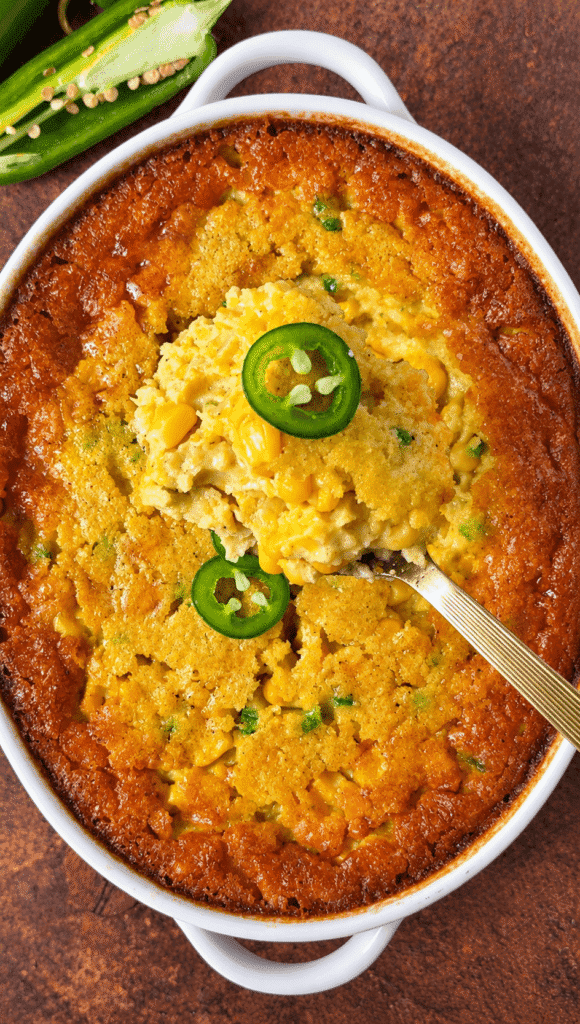
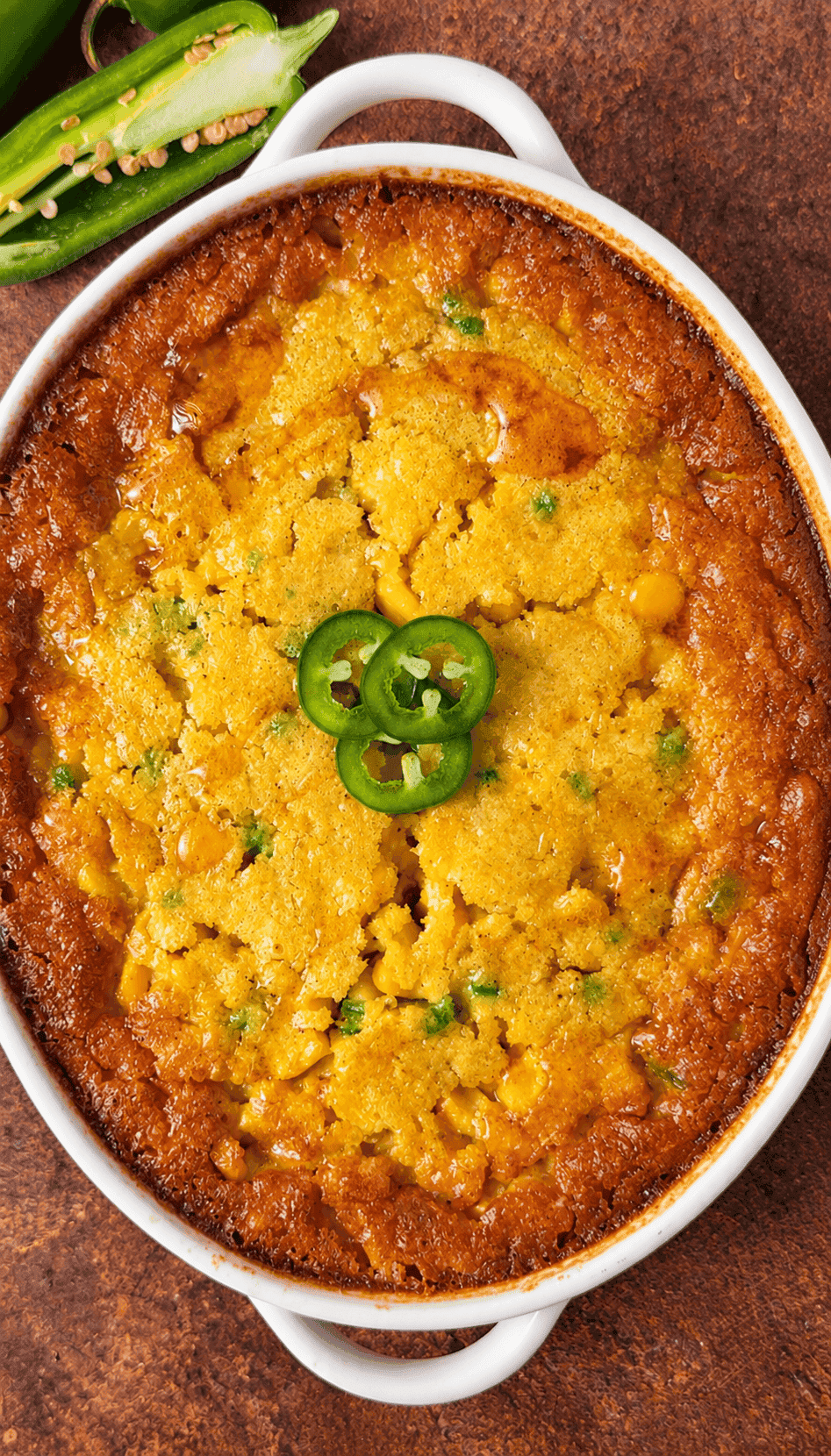
The finished pudding has a deeply golden top, browned edges, and a soft middle that you scoop straight from the dish. I finish mine with a thin drizzle of honey and a few fresh jalapeno slices.
You can make it with corn cut from the cob or thawed frozen corn, which is especially convenient around Thanksgiving. It fits right into my collection of fall appetizers and Thanksgiving recipes, alongside the other dishes that make a holiday table feel special without making the cooking unnecessarily complicated.
Why You’ll Love This Recipe
- No boxed cornbread mix or canned creamed corn. Blending some of the corn creates the base without a separate saucepan or homemade cream sauce.
- Honey and jalapeno give it character. The sweetness is there, but you also get little bites of pepper throughout.
- You can use frozen corn. No need to hunt for good fresh ears in November.
- It serves four to five. A practical size for a smaller Thanksgiving dinner or a family meal with leftovers.
What to Expect From This Corn Pudding
Corn pudding can mean slightly different things depending on the recipe. Some versions are quite custardy, while others include enough cornmeal or muffin mix to resemble a soft cornbread casserole.
Mine has whole kernels throughout and enough flour to give the pudding some structure. The inside stays moist, and the top forms a golden crust that breaks as you scoop into it. There is no cornmeal in this version.
It is meant to be served with a spoon. A generous scoop should hold together loosely, rather than running across the plate. You do not need to wait for it to become firm enough to cut into squares.
The honey makes it a sweet-savory side, not a dessert. Serve it with something savory, such as roast turkey, chicken, or ham. The jalapeño adds another layer of flavor, though the amount of heat will depend on your particular pepper and how thoroughly you remove the membranes.
Ingredient Notes
Choosing your corn
Fresh and frozen corn both work for this recipe. If you have good fresh corn, cut the kernels directly from the cob. There is no need to boil the ears first.
Measure the kernels once they are off the cob. Ears vary enough in size that counting them alone can leave you short, especially if some are small or have underdeveloped tips.
For frozen corn, buy plain kernels without added sauce or seasoning. Thaw them completely before starting, then drain well. If they still look very wet, spread them on a clean kitchen towel or paper towels and blot away the extra moisture.
That draining step matters. The recipe already contains the liquid needed for the batter, so you do not want the water released during thawing going into the bowl too.
Yellow corn gives the pudding the warm color you see in my photos, but white or mixed kernels are also suitable.
Heavy cream
The cream is divided between the blended corn and the batter. Most goes into the blender, where it helps the kernels break down into a thick, creamy mixture.
Use heavy cream for the recipe as written. Milk contains more water and less fat, so substituting it changes more than just the richness. I would not promise the same texture with a straight swap.
Before you begin, check the division in the recipe card. It is easy to pour all the cream into the blender when you are moving quickly, especially if you are preparing several dishes at once.
Honey
Honey gives the pudding sweetness and its own flavor. A mild honey is a good choice here because it allows the corn to remain noticeable.
I also use a little on top after baking. Keep that finishing drizzle thin, particularly if the rest of your meal includes sweet potatoes, cranberry sauce, or a glazed main dish.
You can leave off the drizzle without changing the batter. That is the easiest way to make the serving a little less sweet while keeping the recipe itself the same.
Jalapeno
Finely chopped jalapeno distributes through the pudding more evenly than large pieces. You want small bites of pepper tucked among the corn kernels.
Remove the seeds and white inner membranes for gentler heat. The membranes are especially important, although peppers naturally vary and removing them does not guarantee a completely mild result.
The fresh slices on top are optional. They look pretty against the golden crust, but they also add a more direct bite of raw pepper. Serve them separately if your guests have different preferences.
For another way to use this flavor combination, my baked corn and jalapeño dip turns it into a warm, cheesy appetizer.
Flour, eggs, and butter
The flour helps give the pudding enough body to scoop. I used heaping tablespoons, rather than level ones, so keep that distinction when measuring. The flour should mound above the spoon instead of being scraped flat.
The eggs help bind the mixture as it bakes. Use large eggs, and let the melted butter cool slightly before incorporating it. Hot butter can start cooking the eggs before the dish reaches the oven.
How to Make Corn Pudding From Scratch
The complete measurements and baking instructions are in the recipe card below. These are the details worth watching as you work.
Blend the corn without losing all the texture
Only part of the corn goes into the blender. That portion becomes the base, while the whole kernels give the finished pudding its texture.
Blend until the mixture looks mostly smooth and creamy. A few small pieces are fine. You do not need to strain it, and there is no benefit to turning every last bit of corn skin into a perfectly smooth puree.
If your blender leaves kernels around the sides, stop and scrape them down. Use the cream called for in the recipe rather than adding extra liquid just to keep the blades moving.
Mix the base before adding the whole kernels
Whisk the batter ingredients until the flour is incorporated and no dry pockets remain. It is much easier to spot lumps at this stage than after the corn goes in.
You are combining the eggs, not whipping them into a foam. A regular whisk is enough.
Once everything is mixed, scrape the bottom of the bowl as you fold in the corn. Check that the diced jalapeño is distributed throughout rather than gathered in one area.
Watch the center as it bakes
The surface will brown before it tells you everything about the middle. Look for set edges and a center that moves gently when you nudge the dish.
A slight wobble is different from liquid batter moving beneath a crust. If the middle still ripples or sloshes, it needs more time.
The exact timing can vary with your baking dish. I used an oval dish for the photos, while the recipe is sized for an 8×8-inch dish or a comparable shallow one. A much deeper dish takes longer to cook through.
Give it time to settle
Resting makes the pudding easier to serve. Cutting into it immediately can make a perfectly good center seem looser than it really is.
Add the honey and fresh jalapeño after the rest, just before serving. That keeps the garnish distinct and lets the thin honey drizzle catch on the browned surface.
Tips For Success
Choose a dish with a similar depth.
A dish that technically holds all the batter may still be too narrow and deep for the suggested baking time. Look for a similar footprint to an 8×8-inch dish. Leave some room above the batter instead of filling right to the rim.
Check doneness instead of baking for color alone.
The top of mine browned well, but you do not need to keep every batch in the oven until it matches a photograph. Once the middle is cooked, extra baking can dry the edges. A food thermometer should read 160°F in the center for an egg dish.
Protect the top if needed.
If the crust is getting dark while the center still needs time, loosely tent the dish with foil. Leave space between the foil and the pudding so it does not stick to the surface.
Adjusting The Recipe to Your Table
For less heat, reduce the jalapeno or omit it. Keep some thin slices on the side for anyone who wants them.
For more heat, leave a little of the white membrane attached when chopping the pepper. You can also add extra fresh slices to individual servings, which gives you more control than making the entire dish hotter.
Chopped chives are another garnish option. I chose honey and jalapeno for mine, but a small scattering of chives works if you want color without raw pepper.
I would keep the flour, eggs, and cream as written the first time you make it. Those ingredients affect how the pudding sets. This recipe contains both wheat and dairy, and I have not tested a gluten-free or dairy-free version.
Storage And Make-ahead Tips
Preparing ahead for Thanksgiving
You can handle several small jobs the day before: thaw and drain the corn, chop the jalapeno, and measure the dry ingredients. Refrigerate the prepared corn and pepper separately in covered containers.
Then you only need to blend, mix, and bake on the day you are serving it. This approach keeps the final baking fresh without leaving every bit of preparation until the last minute.
If you need to bake it a day ahead, refrigerate it promptly and reheat it covered before serving. Expect a somewhat firmer texture after chilling. Add the honey drizzle and fresh jalapeño after reheating.
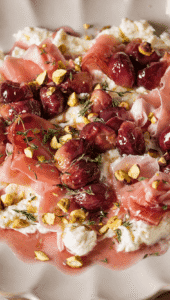
Think about oven space when planning the rest of dinner. This pudding needs a fairly long baking window, even though the hands-on work is short. If you are also making burrata with roasted grapes as an appetizer, roast the grapes earlier so the dishes are not competing for oven space.
Storing leftovers
Transfer leftovers to shallow, covered containers and refrigerate within two hours. Use them within three to four days. If the surrounding temperature is above 90°F, refrigerate within one hour instead.
Do not wait for the entire baking dish to become completely cold on the counter. Smaller portions cool more quickly and are also easier to reheat for another meal.
Reheating without drying it out
For a larger portion, cover an oven-safe dish and reheat in a moderate oven. Covering helps protect the already-browned top while the middle warms.
Individual servings can go in the microwave. Heat in short intervals and check the center, rather than heating for a long stretch without stopping.
Reheated leftovers should reach 165°F. The time depends on the portion size, dish, and starting temperature, so check the food rather than relying on one fixed reheating time.
Frequently Asked Questions
Can I make corn pudding without cornbread mix?
Yes. This version uses flour and eggs to help it set, with blended corn and cream forming the base. There is no boxed muffin mix or cornmeal.
That also means the texture differs from a cornbread casserole. Expect a soft, moist scoop with whole corn kernels, rather than a bread-like slice.
Can I use frozen corn instead of fresh?
Yes, plain frozen corn works here. Thaw it fully and drain away the released water before measuring and mixing.
You do not need to cook it separately before baking the pudding. If you are using fresh corn, cut the kernels straight from the cob and measure those in the same way.
Why is my corn pudding watery?
Too much moisture from thawed corn or an underbaked center can leave the pudding loose. Serving immediately from the oven can also make it look less set than it will after resting.
Check the middle even if the edges are already brown. If you used a deeper dish, it may need additional baking time. For future batches, drain the corn thoroughly and use a dish with a similar depth to the one recommended.
Can I double the recipe?
Yes, double the ingredients and divide the mixture between two comparable baking dishes. This keeps the depth close to the original recipe and makes the baking easier to judge.
Leave room around the dishes for air circulation. Check each one separately, since they may not finish at exactly the same time. Avoid doubling the batter in the original dish, which would make the center much deeper.
What to Serve With Corn Pudding
For Thanksgiving, serve this alongside turkey, gravy, and your usual vegetables. The honey works especially well on a plate with savory dishes, so you do not need several other sweet sides to go with it.
My butternut squash gratin with bacon and Gruyère brings a different texture and a salty, cheesy flavor to the same table. If you are making both, smaller scoops leave room to enjoy each without filling the entire plate with rich sides.
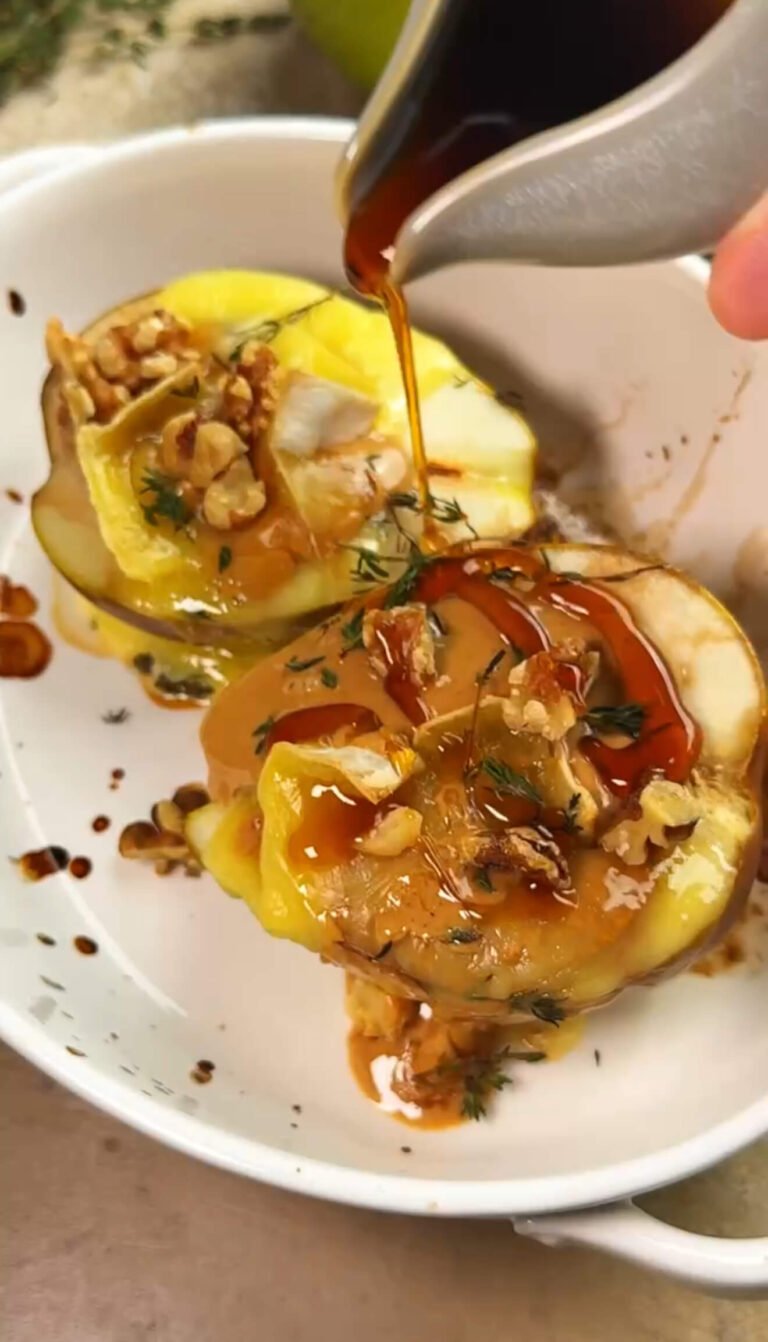
Something fresh is welcome too. An apple, burrata, and prosciutto salad wreath adds crisp apple and does not need another oven rack. That is useful when the kitchen is already busy.
Outside the holidays, keep dinner simple with roast chicken and a green salad. The corn pudding can be the side that gets the extra attention. Serve it warm from the baking dish, with a spoon ready to break through the golden top.
This post contains affiliate links. If you purchase through them, I may earn a small commission at no extra cost to you.

Corn Pudding with Honey and Jalapeno
Ingredients
Method
- Preheat the oven to 350°F.
- Butter an 8×8-inch baking dish or comparable shallow baking dish.
- Melt the butter.
- Set the butter aside to cool slightly.
- Blend 1 cup corn with ½ cup heavy cream until mostly smooth.
- Whisk the eggs, honey, remaining ¼ cup cream, flour, salt, and pepper in a large bowl until combined.
- Stir in the remaining 2 cups whole corn, diced jalapeño, and blended corn mixture.
- Stir in the melted butter until incorporated.
- Pour the mixture into the prepared baking dish.
- Bake for approximately 50–60 minutes, until golden with set edges and a slight wobble in the center. Check that the center reaches 160°F.
- Rest for 10 minutes.
- Garnish with a thin drizzle of honey and fresh jalapeño slices, if desired.
Notes
- Corn: Fresh kernels can go straight into the recipe without precooking. Thaw frozen corn completely, drain well, and blot excess moisture.
- Cream: Use ½ cup for blending the corn and ¼ cup in the batter, for ¾ cup total.
- Flour: Use three heaping tablespoons, not level tablespoons. Do not pack the flour into the spoon.
- Browning: Loosely tent with foil if the top is getting too dark before the center is cooked.
- Make ahead: Prepare the corn and jalapeño a day ahead and refrigerate separately, then mix and bake before serving. Alternatively, bake a day ahead, refrigerate promptly, and reheat covered. Add garnishes just before serving.
- Storage: Refrigerate leftovers promptly in shallow, covered containers and use within three to four days.
- Reheating: Reheat covered in a 325°F oven, or microwave individual portions in short intervals, until the center reaches 165°F.
- Heat adjustment: Reduce or omit the jalapeño for a milder version. Fresh jalapeño slices can be served separately.