
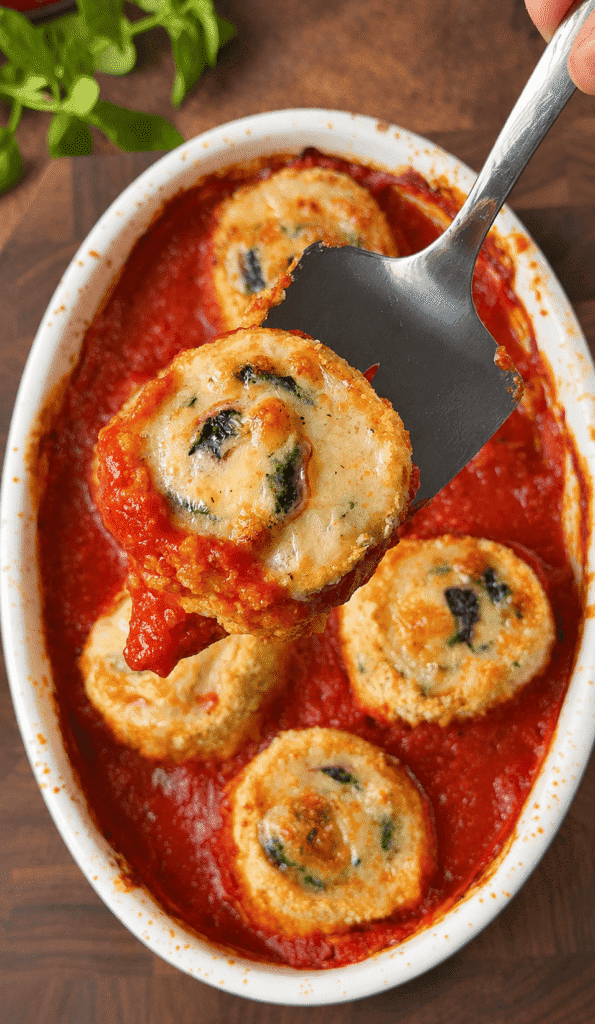
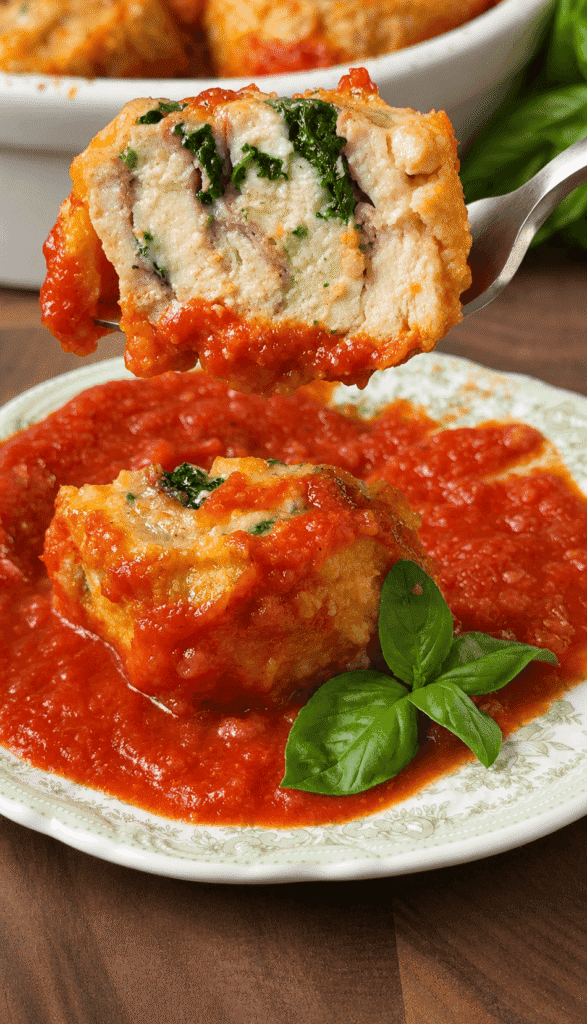
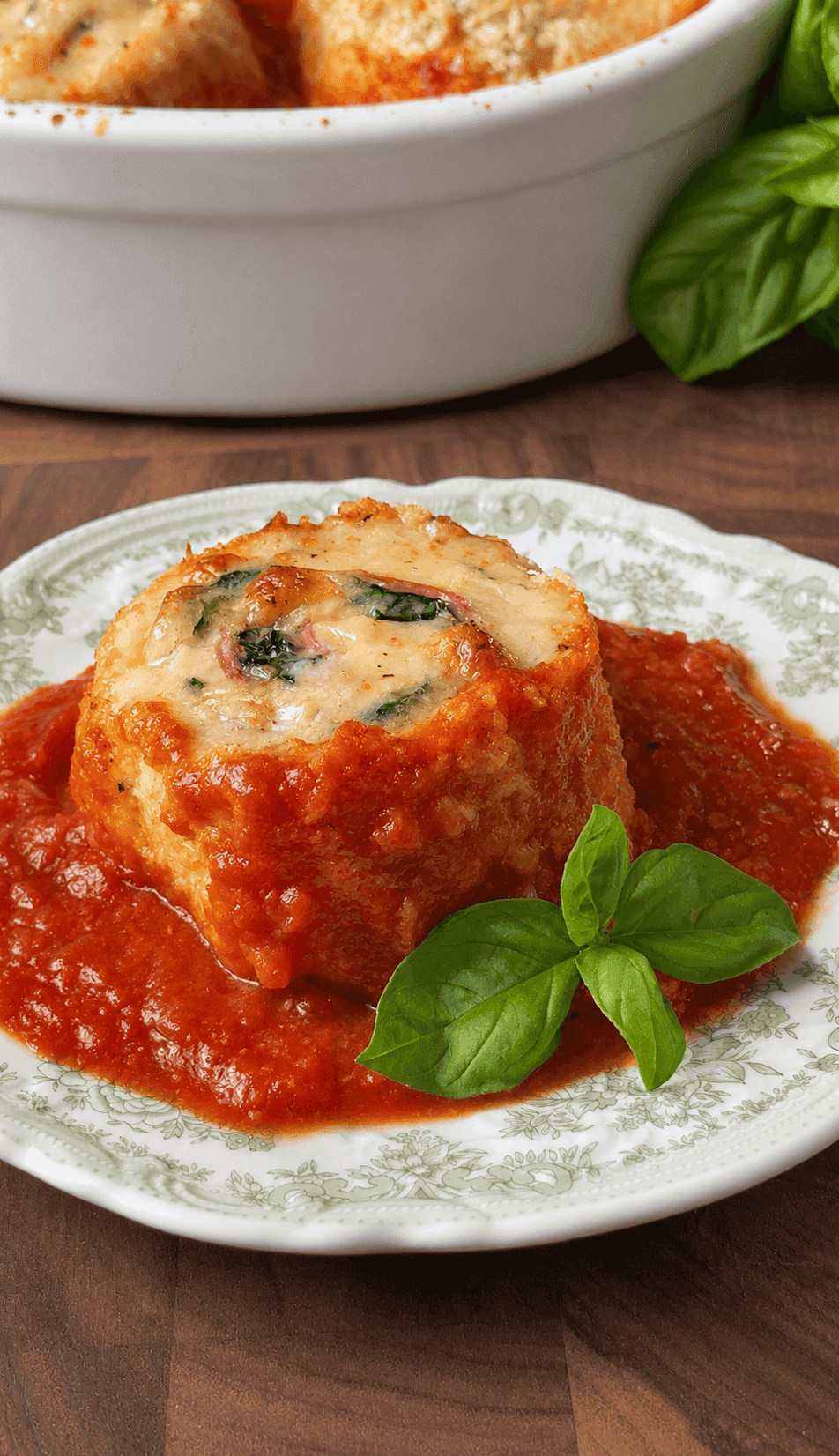
These chicken Parmesan roll ups take a familiar dinner and give it a pretty new shape. I’d serve these chicken Parmesan roll ups for a weekend dinner when I have a little more time to spend in the kitchen. They have the tomato sauce and melted cheese I want from chicken Parmesan, with spinach and prosciutto tucked inside. Cutting the rolls into thick pinwheels leaves the filling visible, which makes them look lovely without much extra effort at serving time.
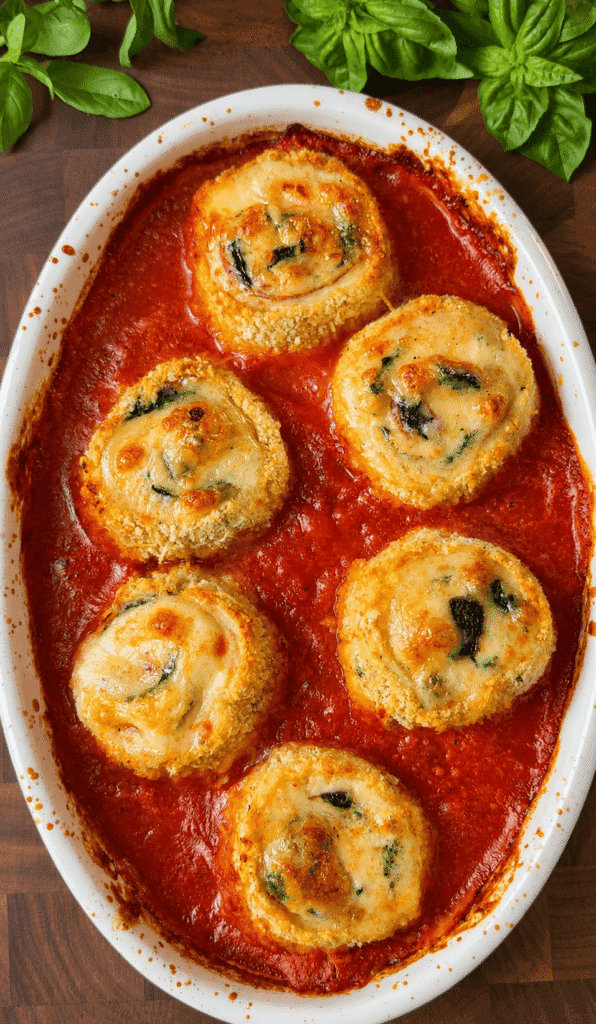
The prosciutto adds a savory, salty layer, and the mozzarella melts between the chicken and spinach. Around the outside, the Parmesan breadcrumbs turn golden. The coating underneath softens where it touches the sauce, while the exposed edges keep more texture. I like having both in the same bite.
There is some preparation involved, especially pounding the chicken and giving the rolls time to chill. I would allow for that instead of trying to squeeze this into a busy evening. Once the chicken is in the oven, though, there is time to put together a salad and clear the counter.
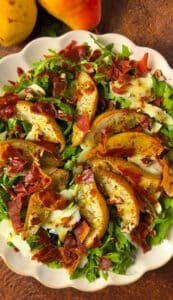
For dinner with friends, I’d start with a small plate of pear crostini with goat cheese and prosciutto. Then I’d bring the chicken to the table in its baking dish, with fresh basil and bread for the sauce.
Why You’ll Love These Chicken Parmesan Roll Ups
- The filling adds plenty of flavor. Thin prosciutto brings saltiness, while spinach breaks up the richness of the melted mozzarella.
- They look pretty straight from the oven. The exposed spirals do most of the work, so a little fresh basil is enough to finish them.
- The breadcrumbs get a head start. Toasting the panko before coating the chicken gives it color without relying on extra oven time.
- You can keep the rest of dinner simple. A fresh salad and some bread are enough alongside the chicken and tomato sauce.
Ingredient Notes
Choose broad chicken cutlets
The shape of the chicken matters almost as much as its weight. Look for broad cutlets with enough surface area to hold the filling. Narrow strips may weigh the same, but they leave very little room for rolling.
If you are buying whole boneless, skinless chicken breasts, choose ones that can be sliced horizontally into broad pieces. Chicken tenderloins are not a good substitute for this recipe. They are too narrow to form the same filled rolls.
Packaged thin-sliced chicken breasts can save some preparation, although they may still need a little pounding to even out the thicker areas. Check the pieces before you start filling them. One thick end and one very thin end will make a roll that is harder to shape and less predictable in the oven.
Small irregular edges are fine. There is no need to trim every cutlet into a neat rectangle and waste good chicken. The goal is an even piece that can fold around the filling without tearing.
Thin prosciutto works best
Prosciutto adds a lot of flavor without making the filling bulky. Thin slices lie against the chicken and bend easily as you roll, which is what you want here.
If a slice tears while you are separating it from the package, just overlap the pieces slightly. It will be inside the chicken, so it does not need to look neat on its own. Avoid folding several layers into one spot, though. That creates a thick, salty patch and makes the filling less even.
I keep the seasoning on the chicken fairly restrained because both the prosciutto and Parmesan contribute salt. Your tomato sauce may bring quite a bit too.
Prosciutto behaves differently here than it does in my baked ricotta with crispy prosciutto. Inside these rolls, it stays tender. It is part of the filling, so there is no need to crisp it separately.
Spinach needs to be dry and loose
Fresh baby spinach is convenient because the leaves are tender and the stems are usually small. Once cooked, it takes up much less space, making it easy to distribute through the chicken.
The important part is the moisture left after cooking. Spinach that looks drained can still release a surprising amount of liquid when squeezed. That extra water has nowhere useful to go inside a tightly rolled piece of chicken.
After squeezing, the spinach often forms a compact little bundle. Separate it again so it can spread in a thin layer. Dense clumps leave some bites full of spinach and others with almost none.
Let it cool completely before it touches the chicken or cheese. Warm spinach makes the filling harder to handle and can start softening the mozzarella while you are still assembling the rolls.
Use low-moisture mozzarella
Low-moisture mozzarella gives you melted cheese without bringing as much additional liquid into the filling. This is one place where the type of mozzarella makes a real difference.
Fresh mozzarella packed in liquid is lovely for salads, but I would save it for another recipe. Even after draining, it contains more moisture than I want inside these chicken roll ups.
A block of low-moisture mozzarella is easy to shred, and packaged shredded low-moisture mozzarella is also an option. Either way, keep the cheese spread evenly. A mound in the middle makes rolling more difficult and gives the cheese an easy place to escape.
It can be tempting to add more because the filling looks modest before rolling. Remember that the layers gather together as the chicken wraps around itself.
Panko and finely grated Parmesan
Panko gives the coating a more noticeable texture than very fine breadcrumbs. Toasting it first is especially helpful with this recipe because the chicken sits in sauce rather than on a dry baking sheet.
The crumbs should be lightly golden before they go onto the chicken. Deeply browned crumbs can become too dark during baking. Let them cool before adding the Parmesan and before using them for coating.
Finely grated Parmesan mixes through the panko more evenly than long shreds. It also clings better to the outside of the rolls. A finely grated cheese gives you that savory Parmesan flavor throughout the coating instead of leaving larger pieces that fall away during handling.
Choose a tomato sauce you already enjoy
Your favorite Italian-style tomato sauce works here. A smooth marinara or a sauce with small tomato pieces is easier to arrange around the pinwheels than one with large vegetable chunks.
Taste the sauce on its own before it goes into the baking dish. It is a noticeable part of the finished meal, so use one you would happily spoon over pasta. There is no need to make a separate homemade sauce unless you want to.
The amount in the recipe is approximate because baking dishes vary. A wider dish needs more sauce to cover the base than a snug one. What matters is a shallow layer underneath the chicken, with the tops left exposed.
If your sauce is particularly thin or watery, choose a thicker one or reduce it separately before using it. Adding extra liquid to the baking dish will soften more of the coating.
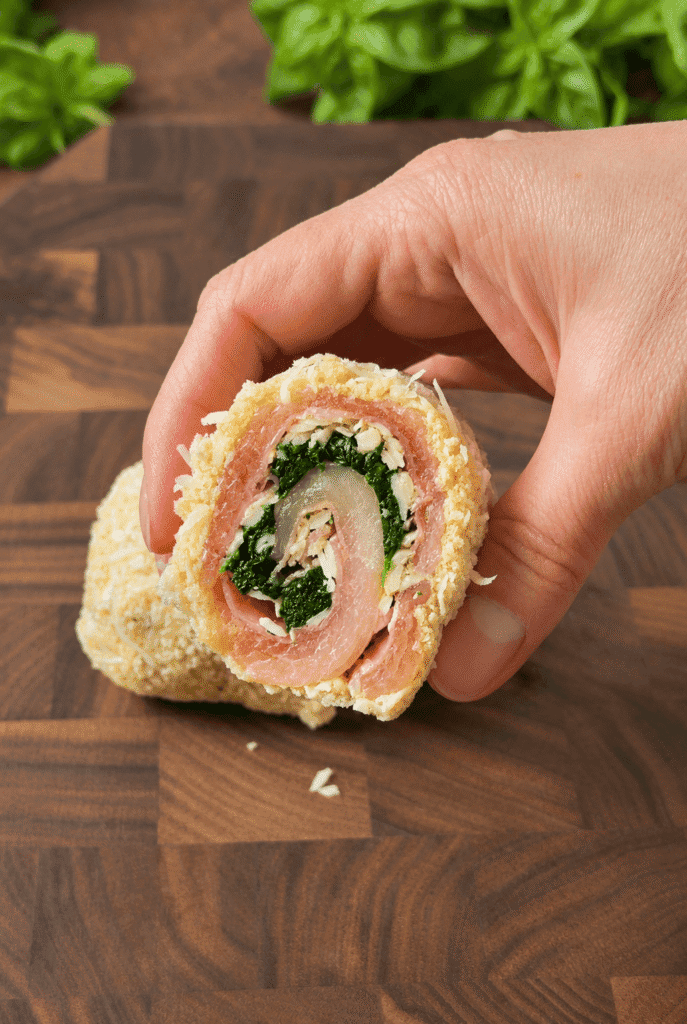
Tips for Successful Chicken Parmesan Pinwheels
1. Keep the filling even and leave room to close the rolls
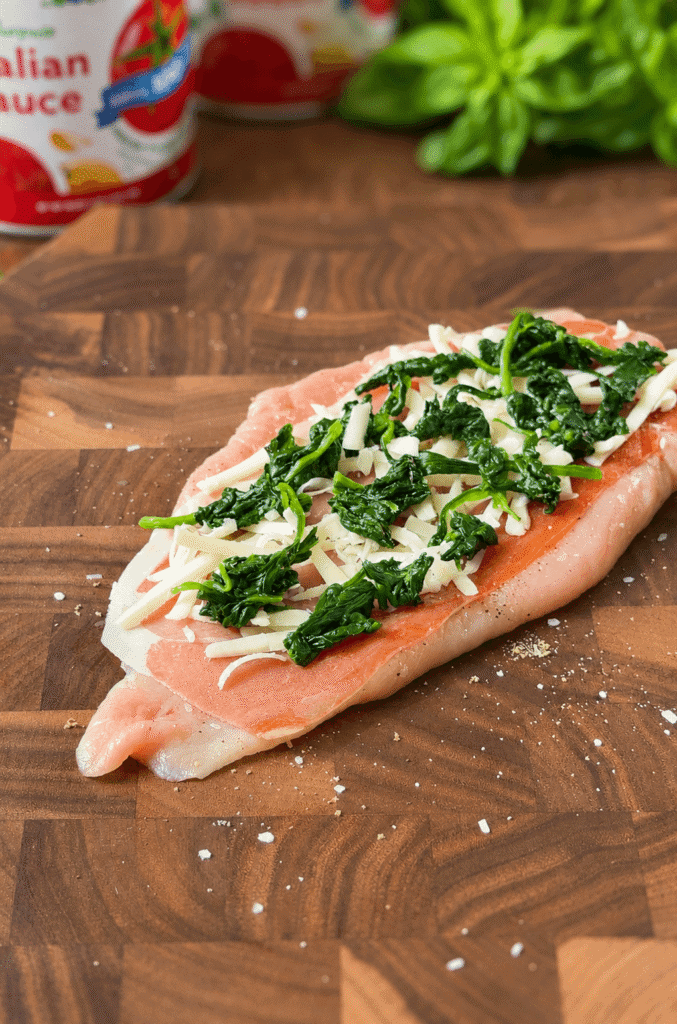
Most rolling problems begin with too much filling or filling pushed right to the edge. An empty border gives the chicken somewhere to meet itself as the roll closes.
Pay particular attention to the finishing edge. Spinach and cheese tend to move forward as you roll, so that clear space becomes useful very quickly. If the filling is already spilling out before you have finished, remove a little rather than trying to force everything inside.
The rolls should feel snug without being squeezed so hard that the cheese pushes out. A small tear is usually manageable, but a cutlet with several large holes is harder to fill successfully.
Toothpicks can help secure a loose outer seam after slicing. Use them where needed, and keep track of how many you add so none are left behind when serving.
2. Give the rolls time to firm up before slicing
The refrigerator time helps the wrapped chicken hold its shape. It does not seal the seam permanently, but it makes the rolls easier to coat and cut without the filling shifting around.
Keep the rolls chilled while you organize the coating dishes. If your kitchen is warm or the breading takes longer than expected, the chicken may soften again during handling. A short return to the refrigerator is more helpful than trying to slice a loose roll.
Use a sharp knife and avoid pressing straight down with a dull blade. Too much pressure flattens the roll before the knife cuts through it.
A little filling showing at the edges is normal. You are looking for pinwheels that hold together in the dish, not identical spirals with perfectly measured layers.
3. Check the center rather than judging by the breadcrumbs
Because the panko is toasted before baking, its color cannot tell you whether the chicken is cooked. The outside can look ready while the center still needs time.
An instant-read thermometer is especially useful for stuffed chicken. Check from the side so the tip reaches the middle, and check more than one spot if you are unsure whether it is sitting in chicken or melted cheese. Both the chicken and the center of the filling need to reach the temperature listed in the recipe card.
The pieces may finish at different times if your cutlets vary in size. Remove the ones that are ready rather than keeping them in the oven just because another piece needs longer.
Mine took approximately 40 minutes. Treat that as a guide, with the thermometer making the final decision.
Variations and Substitutions
If you do not have prosciutto
Very thinly sliced cooked ham is the closest practical substitute. It has a milder flavor and may contain more moisture, so pat it dry if needed and avoid thick folded layers.
You can also leave out the prosciutto and keep the spinach-mozzarella filling. The finished chicken will have less of that salty, cured flavor. I would still season carefully because the Parmesan and sauce remain part of the dish.
Raw bacon is not a direct substitute. It has a different thickness and cooking behavior, and it will not become crisp tucked inside the chicken.
Using frozen spinach
Frozen spinach is an option if you thaw it completely and squeeze it very dry. Use enough to create the same thin layer, rather than replacing the fresh spinach ounce for ounce. Fresh spinach includes a lot of volume that disappears during cooking. A package of frozen spinach can therefore give you more filling than you need.
If the thawed spinach has long strands or compact sections, chop and separate them before filling the chicken. Save any extra for another meal rather than packing it into the rolls.
Changing the cheese or adding heat
Mild provolone would be a reasonable alternative to mozzarella if you want a slightly stronger cheese flavor. Choose a cheese that can be shredded or sliced thinly, and keep the filling modest. I would avoid replacing the mozzarella with a loose ricotta mixture without adjusting and testing the recipe. It changes the moisture and consistency of the filling.
For a little heat, crushed red pepper in the tomato sauce is the easiest adjustment. It gives you control without adding another layer inside the chicken. If people at the table prefer different amounts of spice, offer the pepper flakes separately.
These are substitution suggestions. The spinach, prosciutto, and low-moisture mozzarella combination is the version used for this recipe.
Storage and Make-Ahead Notes
Preparing components ahead
To spread out the work, prepare the spinach and grate the cheeses ahead of time. Keep them in separate covered containers in the refrigerator. The spinach should be cooled promptly after cooking and kept chilled until you are ready to assemble.
You can also toast the panko ahead. Once it has cooled completely, store it in an airtight container and add the Parmesan when you are ready to use it. Keeping the crumbs away from moisture helps preserve their texture.
I would leave the coating and slicing for the day you plan to bake. For advance preparation, separate components give you more flexibility than a dish of breaded chicken sitting in tomato sauce.
The chilling period in the recipe is part of shaping the rolls. It is not a reason to leave raw chicken out on the counter while you finish other jobs.
Storing cooked leftovers
Refrigerate leftovers in shallow, covered containers within two hours of cooking.
Store the pinwheels with a little sauce so they are easier to reheat. The breadcrumbs will soften further in the refrigerator, especially underneath. That is expected with a breaded dish stored in tomato sauce.
If you have extra sauce that was served separately, keep it in its own container. You can then add only what you need when reheating.
Reheating and freezing
Reheat the chicken with a little sauce in an oven-safe dish, loosely covered to limit drying. Heat until the center reaches 165°F. Uncover toward the end if you want to dry the exposed coating slightly, although it will not return fully to its freshly baked texture.
The microwave is convenient for an individual portion, but it will leave the breadcrumbs softer. Use a microwave-safe cover and check the center rather than assuming the hot sauce means the chicken is hot all the way through.
For longer storage, freeze cooked portions in airtight containers. Thaw them in the refrigerator before reheating. I would choose freshly baked pinwheels for guests because freezing and reheating affect the coating, even when the filling still tastes good.
Frequently Asked Questions
Can I make chicken Parmesan roll ups ahead of time?
You can prepare the spinach, cheeses, and toasted breadcrumbs ahead and keep them stored separately. Assemble the chicken on the day you plan to cook it, allowing time for the rolls to chill before coating and slicing.
For a fully cooked make-ahead meal, refrigerate the baked chicken promptly and reheat thoroughly. Expect a softer breadcrumb coating than you get straight from the oven.
Why are my chicken roll ups falling apart?
The most common problems are overfilling, uneven cutlets, or rolls that have softened before slicing. Filling pushed all the way to the finishing edge can also prevent the chicken from closing neatly.
If the roll is loose, chilling it again may help before you cut it. Secure an outer seam with a toothpick if needed. Next time, use a little less filling and leave more room at the edge.
Can I bake the rolls whole instead of cutting them into pinwheels?
Leaving them whole changes their shape in the baking dish and may change the cooking time. This recipe is written for thick pinwheels with the cut sides facing upward.
For the same presentation and the most reliable use of the instructions, cut them as directed. If you choose to bake whole rolls, use a thermometer and do not assume they will follow the same timing.
Will the breadcrumbs stay crispy in the sauce?
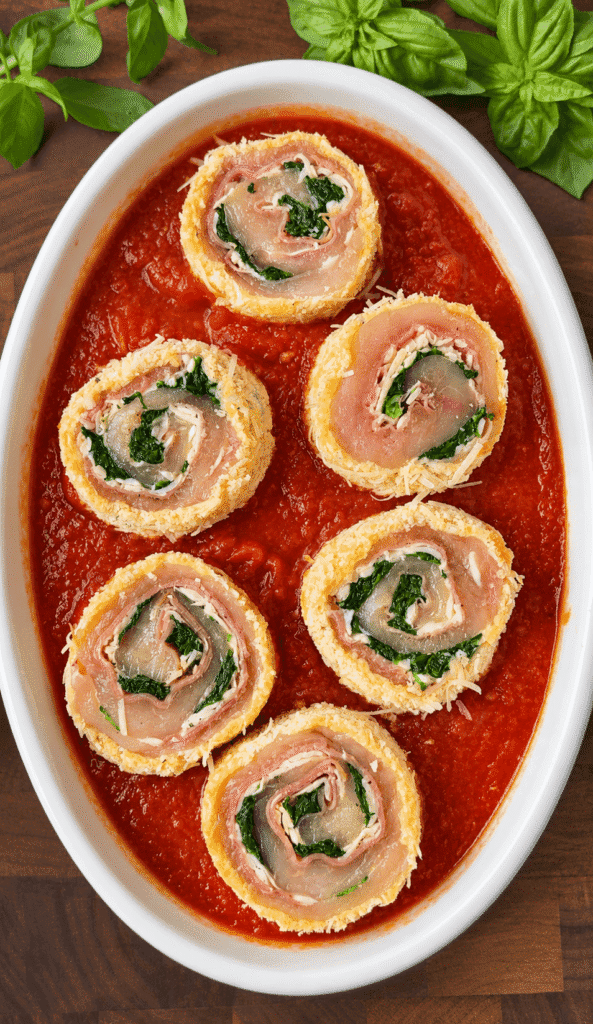
The coating touching the sauce will soften. The exposed edges retain more texture, especially because the panko is toasted before coating the chicken.
A deeper layer of sauce, or sauce poured over the top, will soften more of the crumbs. Serve additional warm sauce at the table so everyone can add it where they want it.
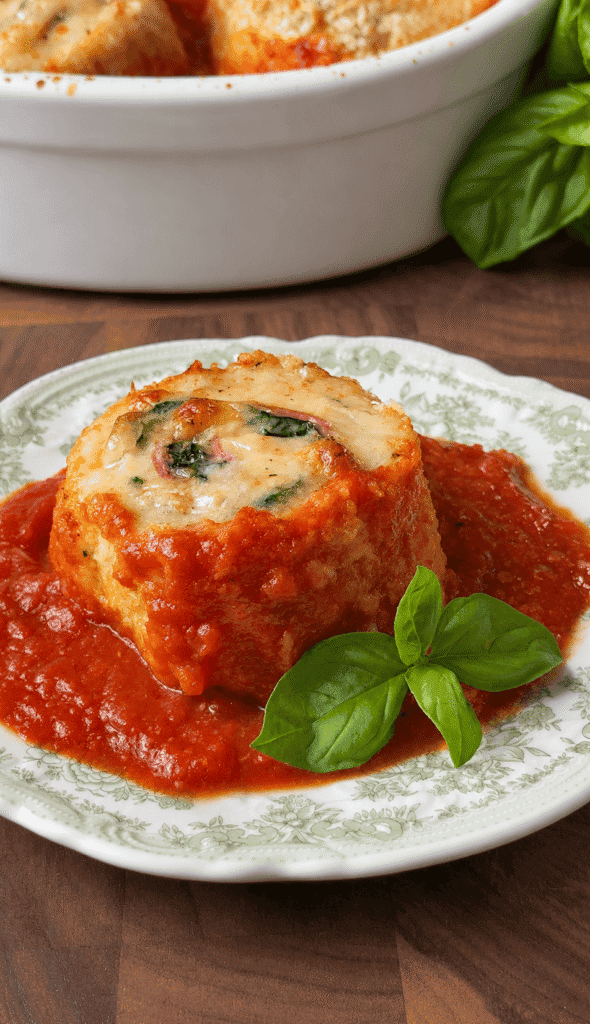
What to Serve with Chicken Parmesan Roll Ups
Two pinwheels make one serving, with sides alongside. I would start with something fresh rather than another creamy dish. A simple green salad with lemon dressing works, and it does not compete with the filling.
For a more substantial salad, my zucchini ribbon salad with lemon and burrata brings a cool, fresh contrast to the warm tomato sauce. The thin zucchini ribbons also look pretty beside the thick chicken spirals.
If you prefer a cooked vegetable, Parmesan Brussels sprouts are a good option. They bake at the same oven temperature, although you will need enough space for air to circulate around both dishes. Plan around the chicken rather than crowding everything onto one rack.
Bread is useful for the sauce left on the plate. A plain baguette is plenty for an everyday dinner. For a more generous weekend table, pesto pull apart bread adds basil flavor and soft pieces to share. It has its own rising schedule, so plan that part separately.
A small portion of pasta also works if you want a fuller meal. Serve it beside the chicken with additional warm sauce, leaving the pinwheels visible. Finish with fresh basil just before bringing the dish to the table.
This post contains affiliate links. If you purchase through them, I may earn a small commission at no extra cost to you.

Chicken Parmesan Roll Ups with Spinach and Prosciutto
Ingredients
Method
- Heat 1 tsp olive oil in a skillet over medium heat.
- Cook the spinach with a small pinch of salt just until wilted.
- Transfer the spinach to a plate to cool completely.
- Squeeze the cooled spinach thoroughly dry.
- Roughly chop the spinach, separating any compact clumps.
- Pound the chicken cutlets between sheets of plastic wrap to an even ¼-inch thickness without tearing them.
- Combine the fine sea salt, garlic powder, and black pepper in a small bowl.
- Season the cutlets evenly with the seasoning mixture.
- Lay one slice of prosciutto over each cutlet.
- Scatter the mozzarella evenly over the prosciutto, keeping the borders clear.
- Spread the spinach evenly, leaving a ½-inch border and approximately 1 inch clear at the finishing edge.
- Roll each cutlet snugly from a short end, keeping the filling tucked inside.
- Wrap each roll tightly in plastic wrap.
- Refrigerate the rolls for 1 hour.
- Toast the panko with 1 tbsp olive oil in a skillet over medium-low heat, stirring frequently, until light golden.
- Transfer the toasted panko to a shallow bowl to cool completely.
- Stir the Parmesan into the cooled breadcrumbs.
- Preheat the oven to 400°F with a rack in the middle.
- Pour the tomato sauce into a baking dish large enough to hold the pinwheels with small gaps between them, creating a shallow bed of sauce.
- Place the flour in a shallow dish.
- Beat the egg with 1 tbsp water in a second shallow dish.
- Unwrap the chilled chicken rolls.
- Coat each roll lightly in flour, shaking off the excess.
- Dip each floured roll in the egg mixture.
- Coat each roll with the Parmesan breadcrumbs, pressing gently to help them adhere.
- Cut each roll crosswise into two thick pinwheels with a sharp knife. If the rolls have softened, refrigerate them for 10–15 minutes before slicing.
- Arrange the pinwheels in the sauce with the freshly cut spirals facing upward and the original ends resting in the sauce.
- Secure any loose outer seams with toothpicks.
- Bake uncovered for approximately 40 minutes, checking from 30 minutes, until the chicken and center of the filling reach 165°F. Insert an instant-read thermometer from the side and remove individual pinwheels as they finish.
- Rest the chicken for 5 minutes.
- Remove all toothpicks.
- Garnish with fresh basil.
- Serve with additional warm tomato sauce and bread, if desired.
Notes
- Mozzarella: Use low-moisture mozzarella rather than fresh mozzarella packed in liquid.
- Spinach: Cool completely and squeeze thoroughly dry before filling the chicken. Separate clumps so the spinach spreads evenly.
- Breadcrumb coating: Toast the panko only until light golden. No additional oil spray is needed before baking.
- Sauce: The amount is approximate. Use enough to create a shallow bed beneath the pinwheels without submerging them. Leave the tops exposed without adding sauce or extra mozzarella.
- Texture: The coating touching the sauce will soften. The exposed edges will retain more texture.
- Timing: The 35-minute preparation estimate includes the spinach and breadcrumb preparation. Allow additional time if you are slicing whole chicken breasts into cutlets. Baking time varies with the thickness of the pinwheels.
- Make ahead: Prepare the spinach and cheeses ahead and refrigerate separately. Store cooled toasted panko airtight. Assemble, coat, and bake the chicken on the day of serving, allowing for the required chilling time.
- Substitutions: Thinly sliced cooked ham can replace prosciutto. Thawed frozen spinach can replace fresh if squeezed thoroughly dry; use enough for a thin layer rather than substituting ounce for ounce.
- Storage: Refrigerate cooked leftovers in shallow containers within 2 hours and use within 3–4 days. Reheat to 165°F. The coating will soften during storage.